Accredited CE Courses, At Your Fingertips
We understand the importance of continuing education for the architectural and design communities and are committed to providing you with relevant and helpful content.
Please take a look at our current courses below.
Specifying Interior Roller Shades Credits: 1 AIA HSW LU
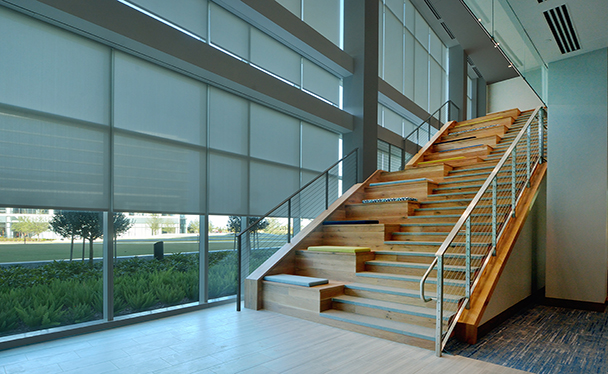
This course outlines the key considerations for specifying interior roller shade systems – including application, site and glazing conditions, location, project requirements, and budget – and how each relates to occupant well-being and the management of daylighting and solar heat gain.
Schedule a PresentationSpecifying Exterior and Specialty Roller Shades Credits: 1 AIA HSW LU
This course outlines the key considerations for specifying exterior and specialty roller shade systems, including how a building’s structure impacts shade choice and the importance of material selection.
Schedule a Presentation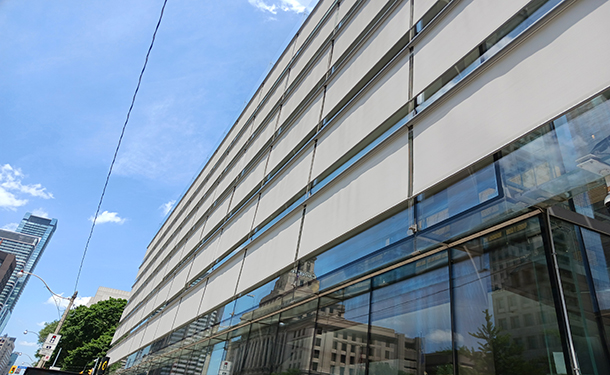
The ABCs of Roller Shade Fabrics Credits: 1 AIA HSW LU
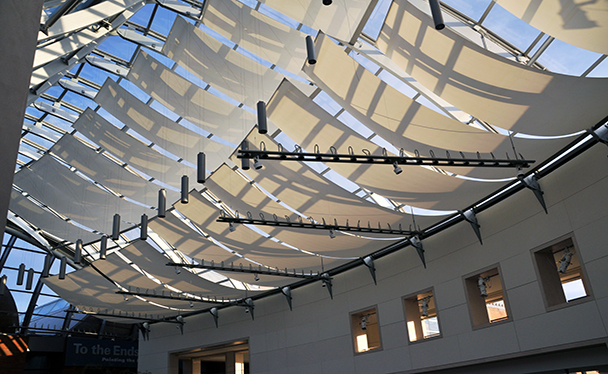
This course gives designers and architects the ABCs of roller shade fabric and outlines how choosing wisely can improve a building’s overall performance and enhance occupants’ comfort and productivity. Learn best practices for choosing materials that impact occupant well-being by optimizing daylighting, reducing solar heat gain, and eliminating VOCs.
Schedule a PresentationThe DEFs of Roller Shade Fabric Credits: 1 AIA HSW LU
This course gives designers and architects a refresher on the ABCs of roller shade fabric before moving into the DEFs: Design considerations, Enhancing acoustic performance, and finally, Fenestration, as each relates to roller shade fabric.
Schedule a Presentation
Requirements and Solutions for Automating Shades and Window Coverings Credits: 1 AIA HSW LU
This course gives best practices for assessing building conditions that impact the design of automated shading/window covering systems and shows how they relate to occupant well-being and the management of daylighting and solar heat gain.
Schedule a PresentationDesigning Automated Shading Systems Credits: 1 AIA HSW LU
In this course, you will learn to identify the impact automated window shading can have on building design, be able to design for the aesthetic requirements of a building and create occupant well-being (comfort) through automated shading design. This course will help identify the main approaches to automation design to understand what drives cost and technology for the specification of automated systems.
Schedule a Presentation